

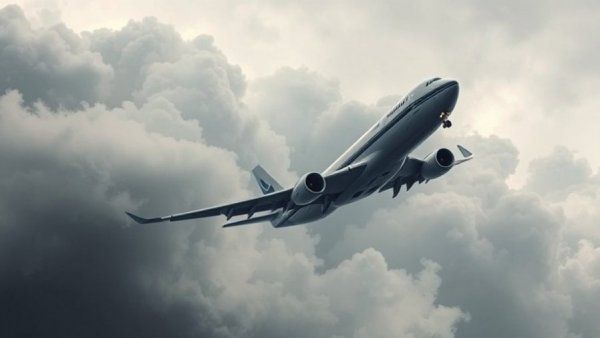
The Challenges of Turbulence Prediction
When we think about flying, turbulence often ranks high on the list of passenger concerns. Despite being a common experience, predicting turbulence is notoriously difficult. As labeled the "hardest remaining problem in classical physics," this challenge has bogged down the aviation sector for years. However, advancements in technology—particularly in machine learning and AI—are paving the way for more reliable turbulence forecasts.
Data-Driven Solutions Emerging in Aviation
Thanks to crowdsourced data and innovative algorithms, there's hope on the horizon. New AI tools are emerging, enabling the analysis of vast amounts of flight data, which can help to identify patterns not just in turbulence but in weather conditions over time. Startups in the tech space are developing sophisticated SaaS platforms that integrate these capabilities, allowing airlines and even flight operators to enhance their operational efficiency while improving passenger comfort.
Pioneering Change with AI Tools
What makes these AI technologies highly valuable is their ability to operate alongside existing tech stacks used within the aviation industry. They can be integrated into business software utilized by airlines, thus facilitating an easier adaptation process as companies transition to more data-centric operations. Real-time predictive analytics can give pilots and air traffic controllers better insights, which in turn could lead to significant improvements in flight safety and punctuality.
The Road Ahead: What This Means for Entrepreneurs
For tech-savvy entrepreneurs operating within the travel or aviation tech space, the integration of AI in turbulence prediction presents enormous opportunities. Not only does it highlight the unexplored areas of predictive analytics within aviation, but it also opens avenues for the creation of new business models centered around operational safety and efficiency.
Contributing to a Safer Aviation Landscape
As the aviation industry continues to embrace innovation, the future looks promising. Entrepreneurs may consider investing in AI tools that can predict turbulence and other weather patterns. By implementing such tools, airlines can drastically reduce the impacts of turbulence, leading to not only smoother flights but increased customer satisfaction and loyalty.
In conclusion, while turbulence remains a tricky aspect of flying, the technological advancements reshaping its predictability indicate a significant leap forward for the aviation industry. It’s a prime example of how innovation can transform an enduring problem into an opportunity.





Write A Comment