

The Rise of Object Agent Twins: Merging AI with Everyday Life
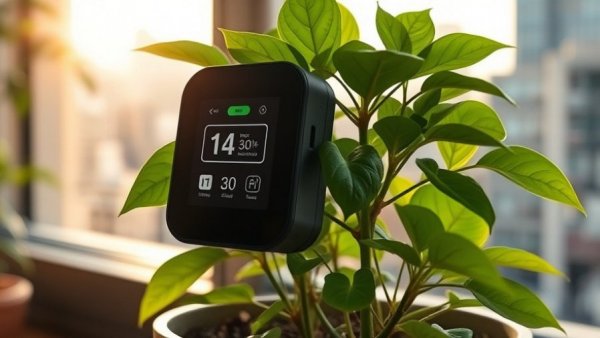
Imagine your boring house plant transformed into a charming virtual pet, pleading for water while you go about your day. This whimsical scenario becomes reality with Object Agent Twins (OATs)—micro-agent AI avatars cleverly designed to attach to everyday objects, breathing life into the ordinary. Created by Daehwa Kim, a PhD student at Carnegie Mellon University, OATs pair with various household items to create an interactive, rewarding experience that encourages us to care for our physical surroundings, reminiscent of the beloved Tamagotchi devices of the 90s.
OATs and the Joy of Caring for Objects
OATs elevate ordinary interactions into a whimsical form of care. By engaging with mundane tasks like watering plants or moving your skateboard, users develop a new level of responsibility. Kim’s design ignites nostalgia, encouraging users to interact with the physical world. By placing an OAT on a plant, for instance, users can receive real-time feedback on their care efforts, turning basic tasks into playful responsibilities. As Kim puts it, “We bring this joy of caring from virtual to physical objects.”
Tech Features That Make OATs Unique
The technology behind OATs is impressive yet accessible. Each unit is equipped with an E Ink display that reacts to sensor data, tracking key elements such as moisture and light levels. This rich source of data allows OATs to personalize feedback and reactions based on specific object needs, fostering a sentimental connection between users and their belongings. Plus, with a price tag of around $20, they invite experimentation without breaking the bank—it's an innovative addition that could redefine our understanding and use of AI tools.
Potential Applications Extend Beyond Playfulness
The utility of OATs isn't limited to mere entertainment. They also serve as practical tools for monitoring device usage or issuing warnings. For instance, attaching an OAT to a coffee machine allows the device to express excitement when operational, enhancing user engagement. Furthermore, in settings where safety is paramount—like around 3D printers—an OAT can alert nearby individuals, underscoring the device's formidable range and the potential as a tool for awareness.
The Future of OATs and Their Broader Impact
Kim encourages a broader conversation around OATs that transcends mere novelty. By incorporating AI into our personal tech stacks more subtly, this innovation could pave the way for a more interconnected home environment. As society increasingly embraces automation, these pet-like interfaces could represent a harmonious blend of technology and care—transforming not only the user's interaction with their space, but also the way we perceive our relationships with objects around us.
OATs: A Catalyst for Engagement and Responsibility
Ultimately, OATs might not just be a passing trend. By encouraging interaction with everyday objects, they highlight the potential for cute AI agents to reframe our understanding of technology in our lives. As Kim navigates the decision to commercialize OATs, the response has been overwhelmingly positive, indicating a real desire to integrate these experiences into daily routines.
As tech-savvy entrepreneurs, understanding these developments in the AI domain can unveil new avenues for product development and customer connection. If OATs can foster engagement through simple, emotional interactions, businesses may explore how bringing similar solutions into their tech stacks can improve user experience and satisfaction.





Write A Comment